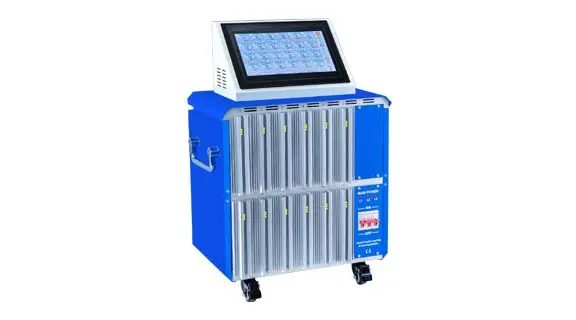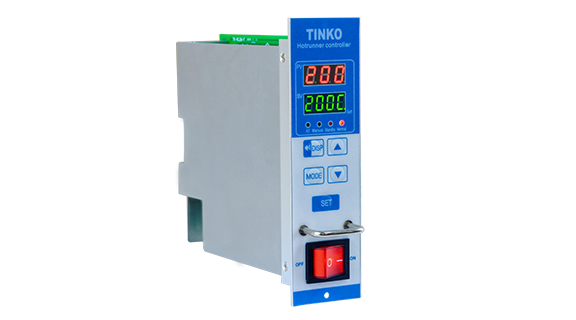
Hot runner molds are popular in the plastic injection molding industry because they improve cycle times, reduce waste, and produce better quality parts. They deliver molten plastic directly into the mold cavity without the need for runners, eliminating the need for runners and gating. However, despite their many advantages, hot runner molds can experience problems and malfunctions, leading to poor quality parts, costly downtime, and maintenance expenses. In this article, we will explore some troubleshooting and maintenance tips for hot runner molds.
Over time, debris, dust, and other contaminants can accumulate inside the hot runner molds, resulting in clogged gates, nozzle tips, and manifolds. These clogs can cause defects such as short shots, splay, and warpage, among others. To prevent these issues, you should clean the hot runner molds frequently. Using specialized cleaning solutions or solvents can help remove the debris inside the molds, while a well-calibrated hot runner temperature controller ensures stable heating that minimizes material degradation and reduces the chance of buildup. Also, ensure that you remove all the residual plastic inside the system to avoid residue accumulation that can cause clogs. Proper and regular cleaning of the hot runner molds, combined with consistent temperature control, can improve part quality and extend the molds' lifespan.
Hot runner molds are subjected to high heat and pressure during the injection molding process. If the materials used to make the molds are poor quality, they can suffer from wear and tear, cracking, and other damage. To prevent this, you should use high-quality materials when making hot runner molds. The materials should be able to withstand the heat, pressure, and other stressors associated with the injection molding process. When evaluating system components, many manufacturers also consider factors like temperature controller price, since reliable temperature control helps protect mold materials from unnecessary thermal stress. High-quality materials will not only extend the molds' lifespan but also improve the quality of the parts produced.
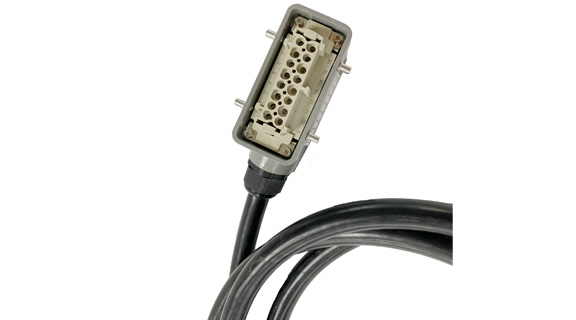
Regular inspections of the hot runner molds can help detect potential issues before they become major problems. Inspect the molds for signs of wear and tear, corrosion, cracks, and other damage. You should also regularly check the electrical connections, heaters, and thermocouples to ensure they are functioning correctly. If a problem is detected during the inspection, you should address it immediately to prevent production downtime and expensive maintenance costs.
Hot runner molds have revolutionized the plastic injection molding industry, providing numerous benefits compared to traditional molds. However, like any other tool, hot runner molds require proper maintenance and care to function correctly. Regular cleaning, using high-quality materials, and frequent inspections are some of the tips that can help prolong the hot runner molds' lifespan and improve part quality. By following these recommendations, you can minimize production downtime, reduce maintenance costs, and increase your overall output.
 English
 français
 Deutsch
 Español
 italiano
 русский
 português
 العربية
 Türkçe
 dansk
dansk Svenska