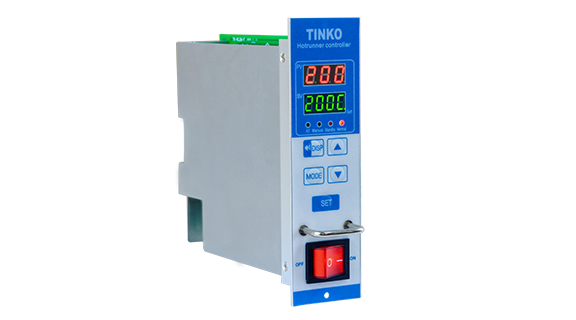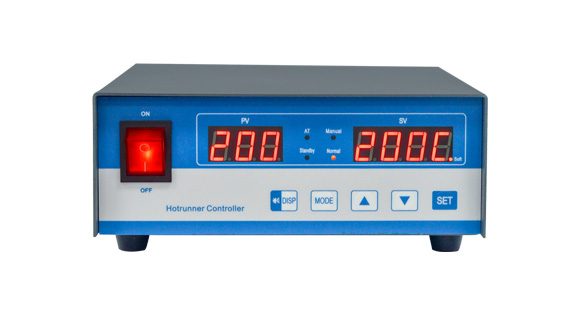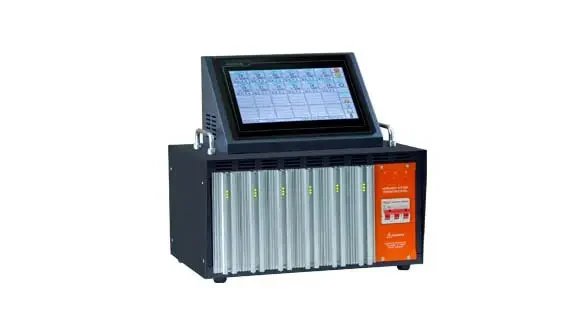
Plastic injection molding: Plastic injection molding is a widely used method for manufacturing plastic products. The molten plastic is injected into the plastic product mold under pressure, then cooled to obtain various parts. When designing a high-efficiency hot runner mould, the process becomes more streamlined compared to traditional setups. The most commonly used plastics include polyethylene, polypropylene, ABS, PA, and polystyrene.
The hot runner temperature controller is a set of original parts heated by resistance wire. It heats the molten plastic in the entire or partial section from the injection mold sprue sleeve to the injection point of the product cavity. Heating maintains thermal balance so that the plastic can maintain a constant temperature and molten state during the injection molding process. Compared with an injection mold that does not use a hot runner, it eliminates (or reduces) the waste generated by the cold runner during the injection molding production process of the injection mold, and the extra work generated by its recycling.
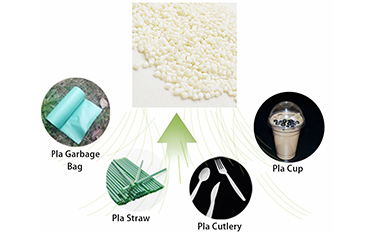
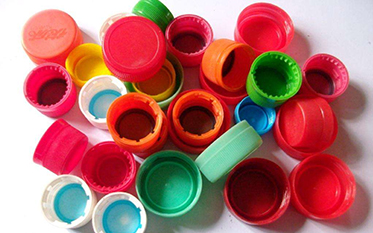
The hot runner is used for mass-produced plastic parts (such as daily necessities, plastic cups) because there is no additional waste plastic produced, so it greatly reduces the material cost of the product, and is used for products with expensive plastic materials (such as connecting plugs used in automobiles). The hot runner mould is especially economical for mass-produced plastic parts (such as daily necessities or plastic cups) and high-end automotive connectors.



 English
 français
 Deutsch
 Español
 italiano
 русский
 português
 العربية
 Türkçe
 dansk
dansk Svenska